
Registration Desk
After uploading the case, court registrars verify IDs, translate attachments, and ensure the fee is paid. They also schedule video calls for couples who prefer remote ceremonies.
Process • Court
The Civil Family Court operates under Law No. 14/2021 and Decision No. 8/2022. Understanding how files move from portal to judge helps you prepare the right documents and respond quickly when clerks call.
After uploading the case, court registrars verify IDs, translate attachments, and ensure the fee is paid. They also schedule video calls for couples who prefer remote ceremonies.
A single judge—often non-Muslim—reviews eligibility, confirms consent, and signs the contract. The judge may ask clarifying questions, especially if previous marriages or complex nationalities are involved.
All filings and hearings are bilingual (Arabic/English). Court staff rely on licensed translators for other languages. Couples can bring their own translator if they need extra support.
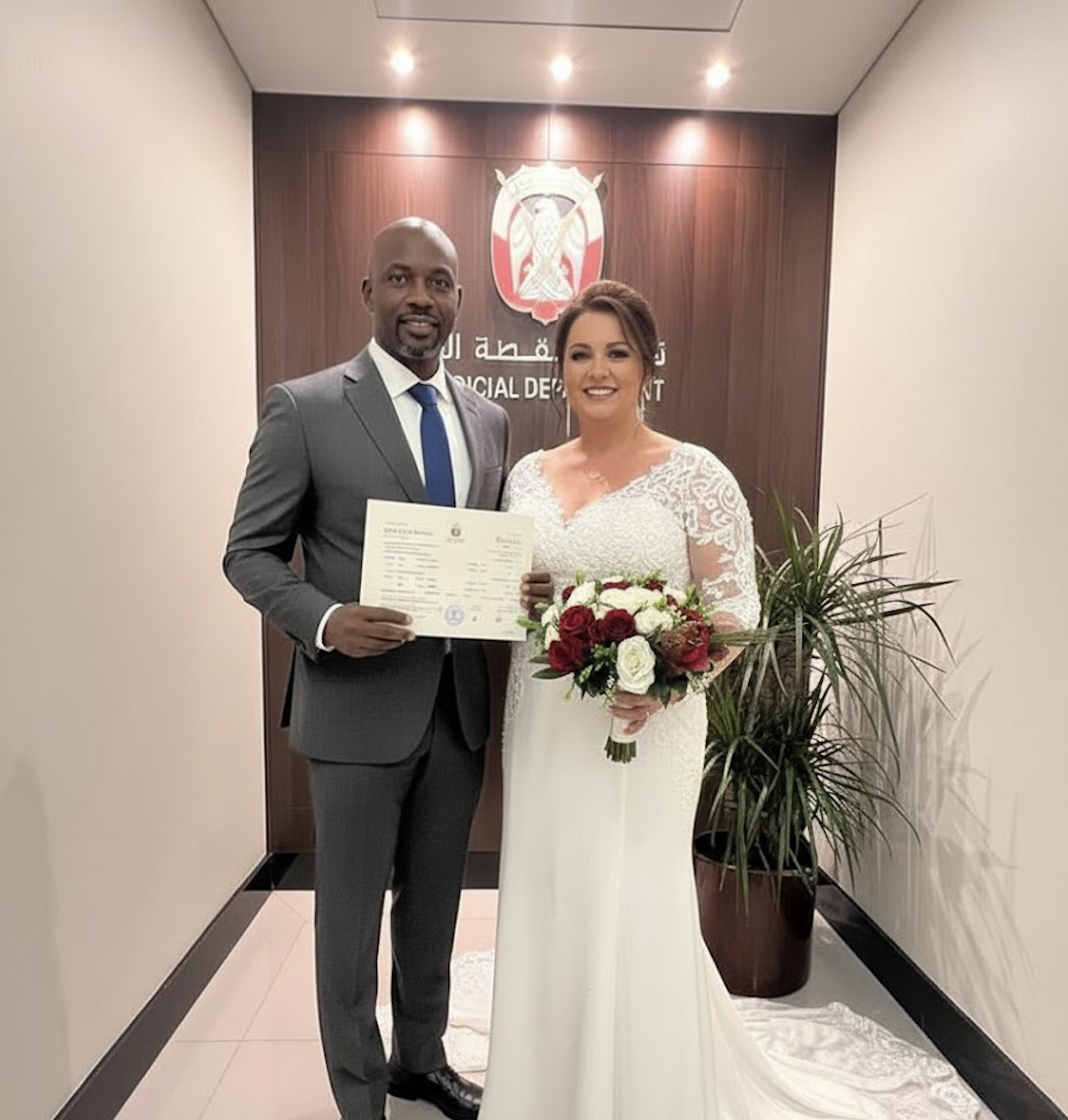
Ceremonies can happen in a dedicated courtroom in Abu Dhabi or via secure video call. Remote options are common for couples who already completed biometric steps through UAE PASS.
Once approved, the certificate enters the electronic registry, making attestation and embassy appointments straightforward. Case managers can reissue copies if you lose the original.

See how portal reviews sync with the judge’s calendar.

Confirm you meet every condition before the judge sees your file.
Finish the process with MoFAIC and embassy stamps.